
Help kids with homework, or be a numbers whiz with these apps
The Apple store recently compiled a list of apps for children wanting a more interactive experience when engaging in math. Apps like Photomath and Mathway take a picture of any printed math problem and will figure out the correct answer and explain how to arrive at the solution. Photomath will also graph out the problem, while Mathway has the know-how to tackle statistics, linear algebra, and chemistry.
For more useful apps to help you combat your child’s math homework, please visit the Apple App Store here!

Want to Raise Successful Kids? A Fascinating 30-Year Study Says Doing This at Age 6 Means They'll Make More Money as Adults
Writing in the journal JAMA Pediatrics, the researchers from the University of Montreal set out to learn "which disruptive behaviors in kindergarten are associated with employment earnings in adulthood for boys from low socioeconomic backgrounds."
They tracked nearly 1,000 boys over 30 years--correlating their teachers' assessments of their behavior in 1984, when they were 5 or 6, with their adult earnings decades later (which they obtained from their tax returns as 35 and 36-year-old adults).
What they discovered could have significant implications for the way parents -- especially parents of boys -- view their children's behavior at an early age.
To read about the findings of the research conducted, please click here.
Why children struggle with the 'cocktail party effect'
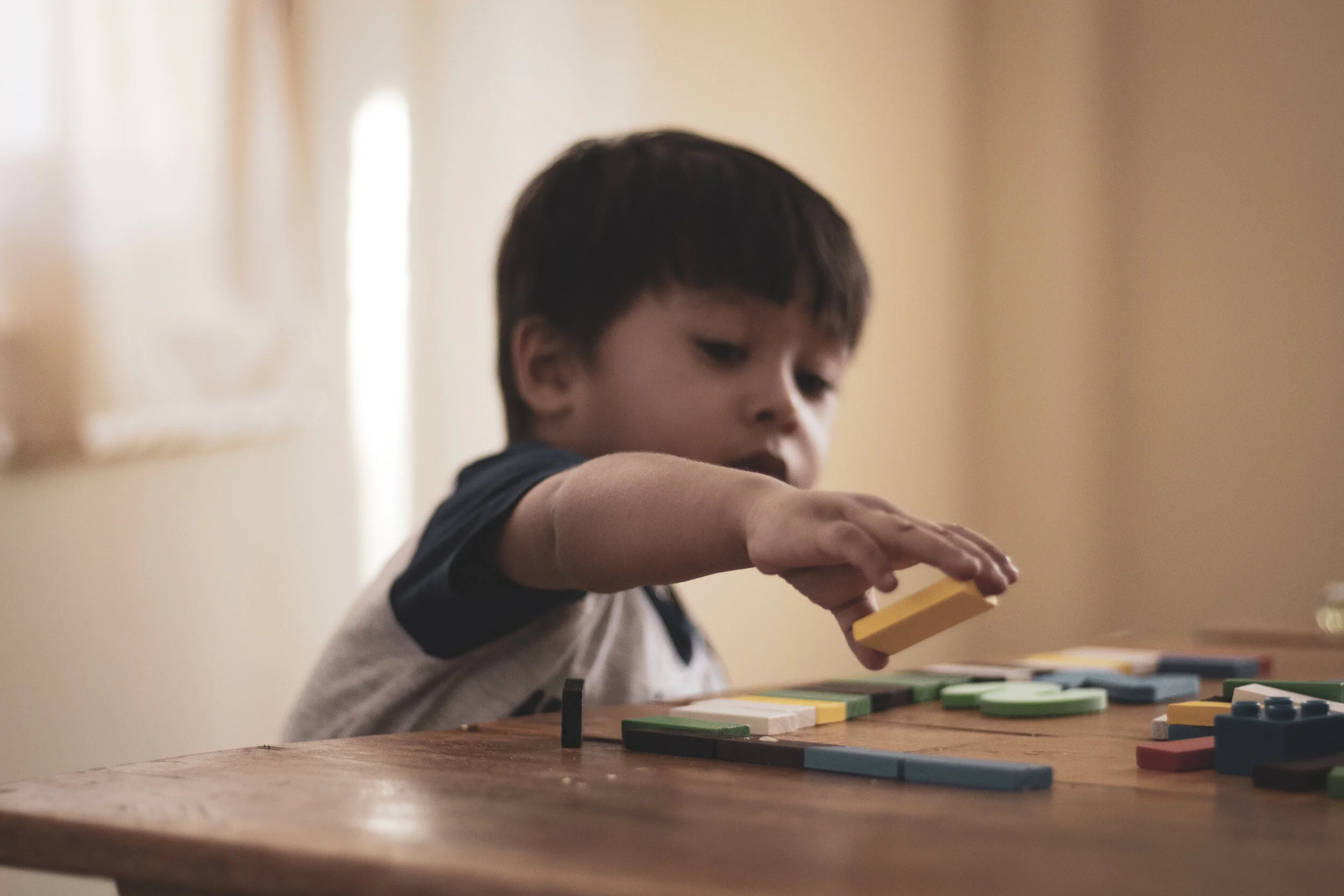
Researchers have clarified the development of the ability to attend to a speaker in a noisy environment -- a phenomenon known as the "cocktail party effect." Published in JNeurosci, the study could have implications for helping children navigate the often-noisy surroundings in which they grow and learn.
To read the rest of the article, please click here.

Khan Academy Now Available for Kids!
Khan Academy offers practice exercises, instructional videos, and a personalized learning dashboard that empower learners to study at their own pace in and outside of the classroom. The Kids application is a free, fun educational program for children ages two to six that uses a holistic and personalized approach to encourage independent learning across a robust curriculum, ranging from math to motor development.
For more information and links to download the app, please visit the website here.

Oxford study finds digital screen time has little effect on teen mental health
A new study from researchers at the University of Oxford has tracked data from several hundred thousand subjects finding digital technology use accounts for less than half a percent of a young person's negative mental health. The research suggests everything from wearing glasses to not getting enough sleep have bigger negative effects on adolescent well-being than digital screen use.
Please click here to read the rest of the article.
The Brain in Action: Can you smell it too?
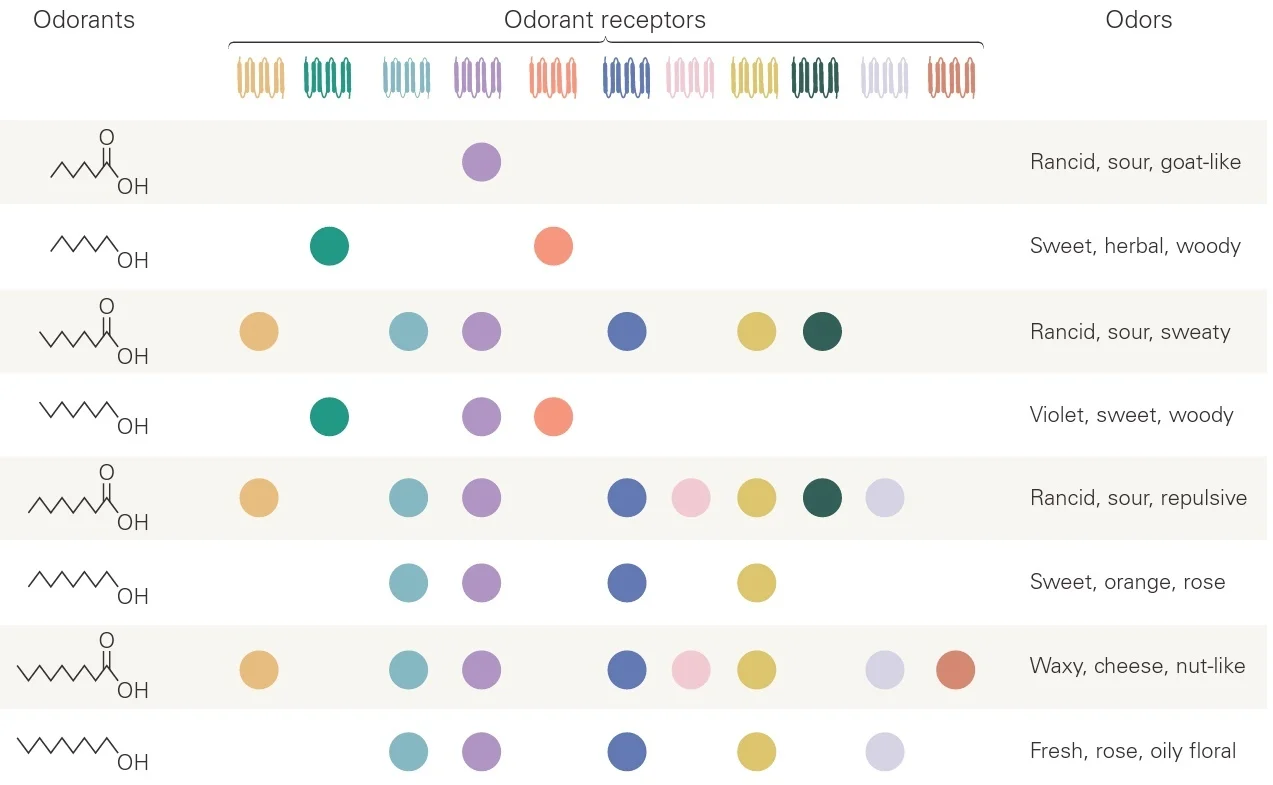
Every so often my wife asks me if I notice a particular smell in the house or garden. I can, when asked, often detect an odour, but I seem to have a much less sensitive nose than she does. I do however like a good red wine with an earthy bouquet. Each bottle I open has an unusual combination of such aromas. My wife often cannot detect the differences in smell between these wines. Does that mean that I have a more delicate sense of smell after all?
For the rest of Peter Moleman’s article, please click here.

High-Functioning Autistic Teens Benefit From Friendship Training Program.
High-functioning teens with autism exhibited significant improvement in social functioning following a 14-week treatment intervention, in a recent preliminary study. The Program for the Education and Enrichment of Relational Skills (PEERS), the intervention that was used, is an evidence-based, parent-assisted social-skills training program developed by Elizabeth A. Laugeson, PsyD, and Fred Frankel, PhD, at the University of California, Los Angeles (UCLA).

Autism In Teens - Teaching Social Skills Pays Off.
In 2006, the UCLA Program for the Education and Enrichment of Relational Skills (PEERS) clinic was established in order to help high functioning adolescents with autism spectrum disorder (ASD) improve their social skills to fit in better with their peers at school.

How to Find a Best Friend.
It is harder for children to form lasting friendships; rising screen time and lots of activities get in the way.

PEERS Autism Program: Child-To-Teen Transition.
One in 150 children born in the United States has autism. What happens when all these children grow up to be teenagers? A unique program here in Southern California helps them adjust to life in middle school and beyond.

Teaching Teenagers With Autism How to Make Friends.
Class helps teens learn social skills, become less isolated. Teenage social life can be frustrating in the best of circumstances, and it's even harder for teenagers with autism, who report feeling lonelier and having poorer-quality friendships than their typically developing classmates. But social skills can be learned, according to researchers at the University of California-Los Angeles.
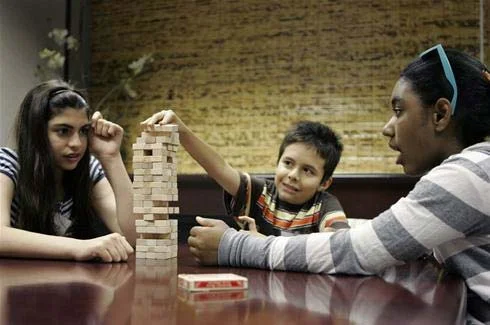
Class helps autistic teens refine social skills.
"A lot of our kids need a tune-up. They need new skills to help them survive in their new social world," said clinical psychologist Elizabeth Laugeson of the University of California, Los Angeles, who runs a 3 1/2-month friendship program for high-functioning autistic teens like Andrea.

Teaching Autistic Teens To Make Friends.
A special class designed at UCLA for teens with autism spectrum disorders a range of developmental disorders that consist of problems with communication and socialization helped the teens' overall social skills and interactions with their peers.
UCLA program improves social skills for autistic teens.
The UCLA PEERS program has assisted high functioning teens with autism by teaching them the strategies they need to improve relating to their peers.

Can Joey Make a Friend?
Going to the Movies, Hanging Out with Pals -Joey Hersholt, 17, Never Knew the Simple Rituals Teens Take for Granted. Then He Entered a Program at UCLA-and Life Began to Change.
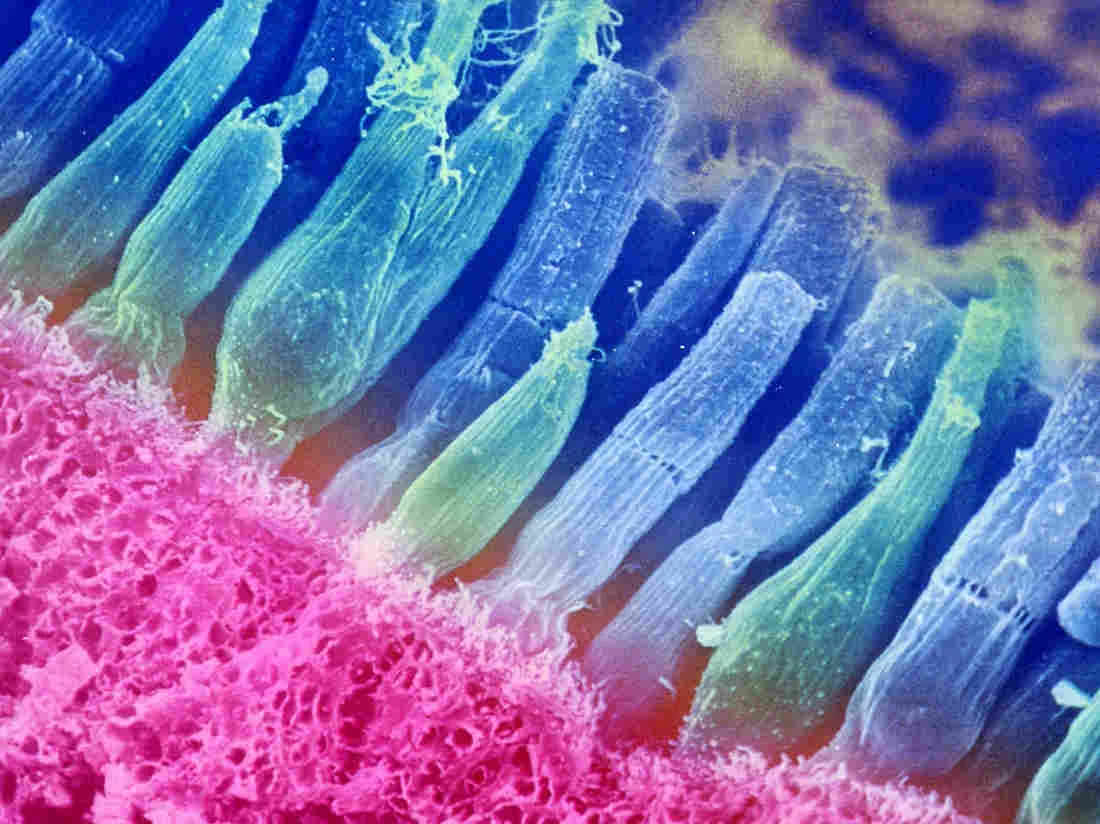
Scientists Find A Brain Circuit That Could Explain Seasonal Depression
Just in time for the winter solstice, scientists may have figured out how short days can lead to dark moods. Two recent studies suggest the culprit is a brain circuit that connects special light-sensing cells in the retina with brain areas that affect whether you are happy or sad.
Together, the studies offer a strong argument that seasonal mood changes, which affect about 1 in 5 people, have a biological cause. The research also adds to the evidence that support light therapy as an appropriate treatment.
This article and audio can be found on NPR’s website, here.

Lack of sleep looks the same as severe anxiety in the brain
If you’ve ever found that a poor night’s sleep has left you feeling not only a bit groggy, but also on edge, you aren’t alone. People with insomnia have double the risk of developing an anxiety disorder, and 70 to 80 percent of people with clinical anxiety have trouble either falling or staying asleep. However, until now, how this relationship works in the brain was unknown.
The article can be found here.

Fortnite and Kids With ADHD or Social Skills Issues: 7 Things I Tell Parents
Mark Griffin, Ph.D., member of the executive committee, board of directors and professional advisory board of the National Center for Learning Disabilities, discusses the impact of Fortnite on children with learning and attention issues.
The article can be found here.
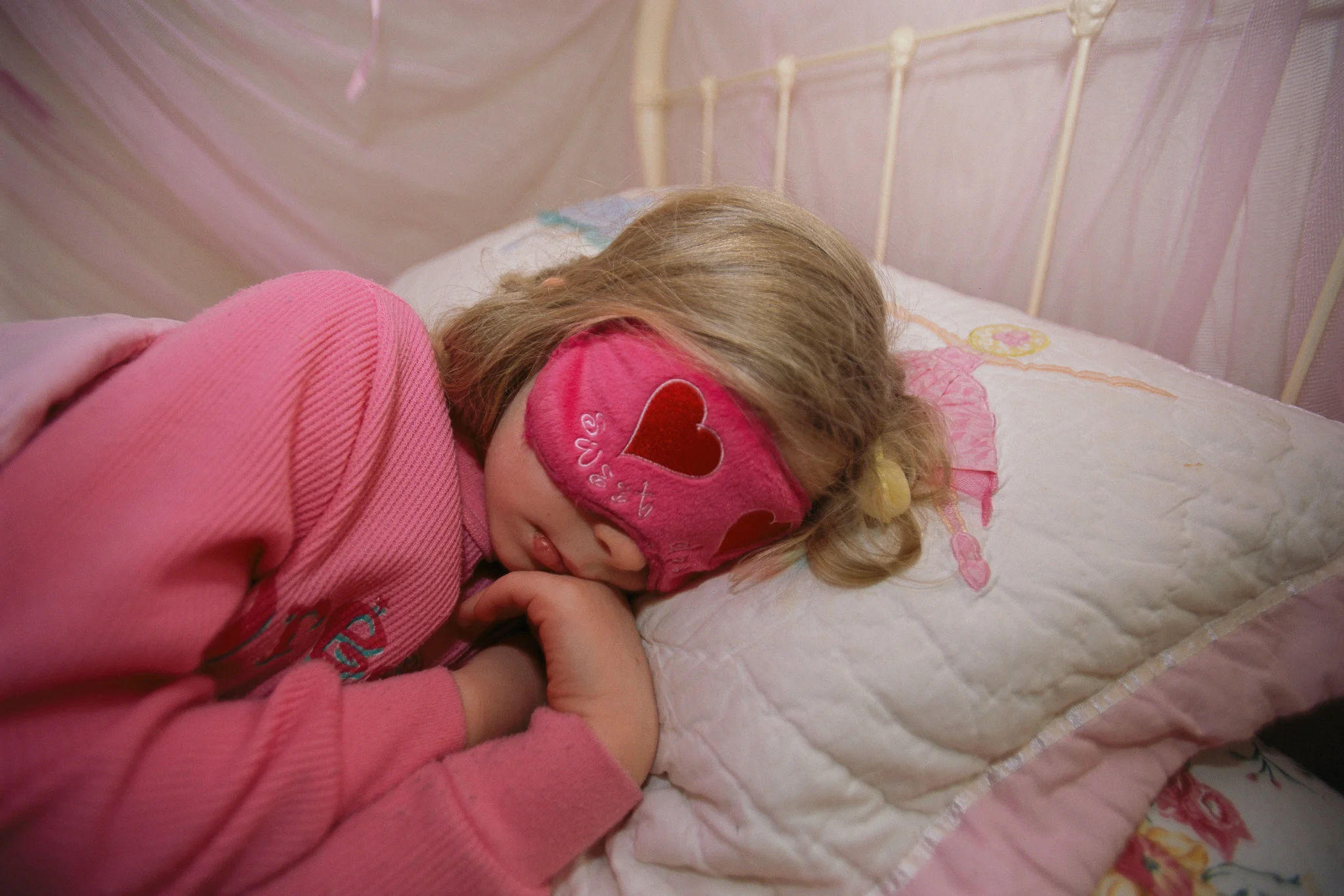
For Kids With Concussions, Less Time Alone in a Dark Room
The Centers for Disease Control and Prevention released a major new guideline on diagnosing and managing head injuries in children on Sept. 4, the product of years of work and extensive evidence review by a large working group of specialists in fields ranging from emergency medicine and epidemiology to sports injuries to neurology and neurosurgery.
The guideline, which is the first from the C.D.C. that is specific to mild brain injury in children, advises against the long recovery period, isolated in a dark, quiet room, that has sometimes been used in treatment.
https://www.nytimes.com/2018/09/17/well/family/children-concussions-brain-injuries-cdc-guidelines.html